

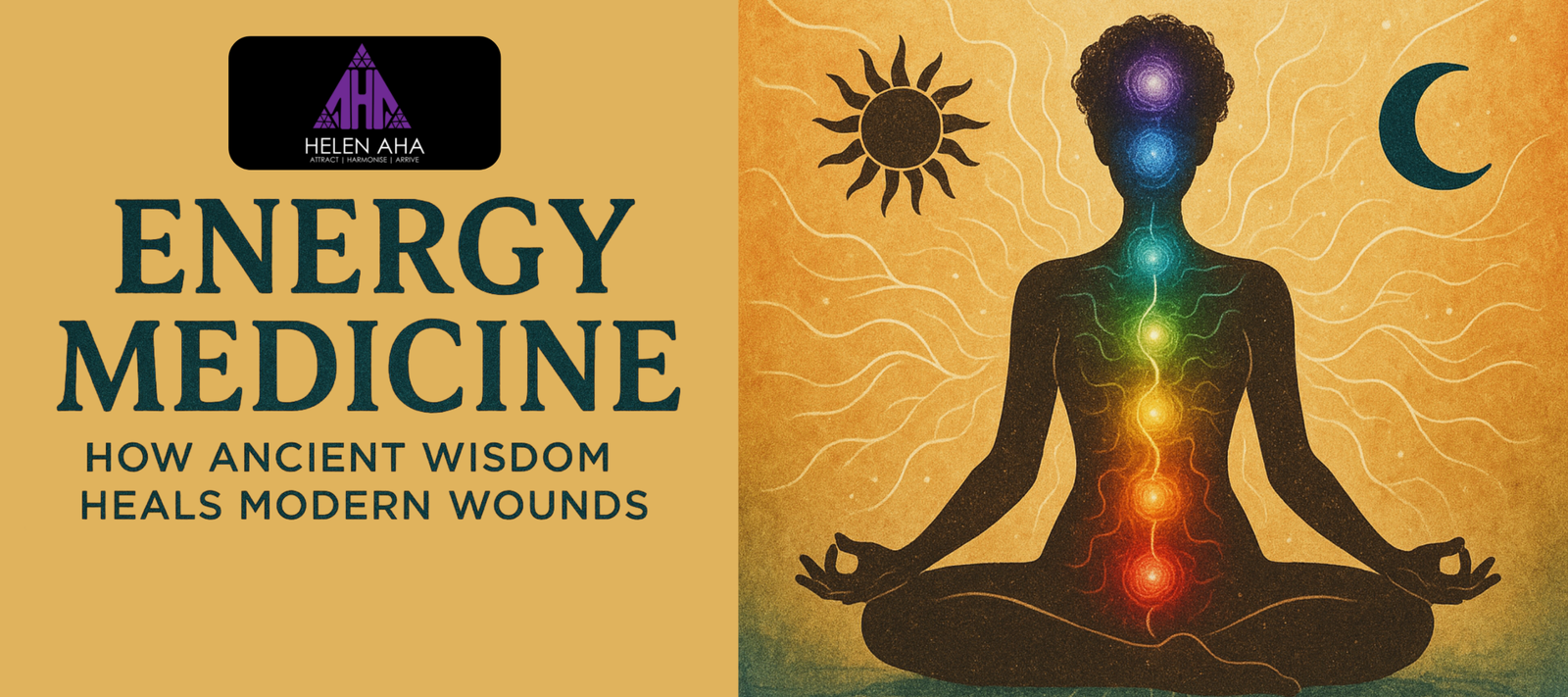
Rediscovering Ancient Wisdom: When Illness Was a Calling
Long before terms like post-traumatic stress disorder (PTSD) entered the clinical vocabulary, ancient societies across the world—particularly in Africa—recognized that suffering, especially from violence and loss, didn’t just affect the body. It impacted the soul.
In some African traditions, physical or mental illness wasn’t seen as a problem to be diagnosed, but as a divine signal. Those experiencing such symptoms were often believed to be receiving a spiritual calling. The outcome of this struggle—whether one healed and emerged stronger—often determined whether they became a leader or healer within their community.
Healing wasn’t just survival; it was transformation. As the article notes, “Healing from an illness of any kind can build incredible spirit and conviction to reinvent oneself and overcome so many challenges.”
Warriors Were Held—Not Pushed to Move On
Unlike the modern tendency to celebrate returning soldiers with parades or push them to “get back to normal,” traditional African societies understood that war left spiritual residue. Returning warriors weren’t immediately reabsorbed into daily life. Instead, they were met with solemnity—and distance.
Communities offered them a sacred transition, sometimes lasting three moon cycles. These periods were guided by shamans or elders who performed rituals, listened deeply, and facilitated spiritual cleansing. As the text puts it: “He was listened to, cleansed, and spiritually rebalanced. Not punished. Not pathologized.”
From Cupping to Ceremony: The Sacred Rituals of Healing
One symbolic ritual involved drawing out “stagnant blood” using animal horns—an early version of what Western observers dismissed as “African cupping.” But these acts weren’t only medical. They were ceremonial responses to invisible pain: grief, rage, sorrow.
These traditions never used the word trauma. They spoke of imbalance. And rather than suppress symptoms, they responded with sacred care.
Today, however, modern medical systems often reduce suffering to clinical terms. “Symptoms are treated, but the soul is often ignored.” Even in cases like breast cancer, emotional and spiritual turmoil is frequently left unaddressed.
Healing Is a Communal Journey
What our ancestors knew—and what we’re beginning to forget—is that healing isn’t just about recovery. It’s about restoration. It’s a journey back to wholeness.
They remind us:
“Healing is a community act. Rituals and ceremony actually matter. Warriors—from war, illness, loss, or life—need space to be held and witnessed.”
Rather than another diagnosis or prescription, what many truly need is a safe, sacred space to be witnessed. To grieve. To transform.
Stillness Is the New Medicine
In our fast-paced, productivity-driven world, we’ve become addicted to doing—while neglecting the deeper being. Yet, “the deepest healing may come from stillness, sacred space, and the slow return to balance.”
“🕯 Some wounds don’t need fixing. They just need honoring.”
When we create that space—when we stop, feel, and listen—we reawaken the ancient truth that energy, intention, and ritual can restore what is broken. “Even our own energy becomes our medicine.”
Final Reflection: The Future Lies in the Past
The path forward in business, healthcare, and society may not require newer technologies or faster solutions. What if true innovation means remembering? Remembering the ceremonies. The community support. The wisdom that suffering is part of transformation—not something to be rushed, silenced, or simply medicated.
“The medicine we need isn’t new. Maybe it’s been here all along.”

Author: Helen Argyrou
After studying psychology and art in Cape Town, South Africa 25 years ago, Helen became fascinated with how we construct our meaning and our identity...


0 Comments